Pink Peppercorn Grapefruit Shortbread
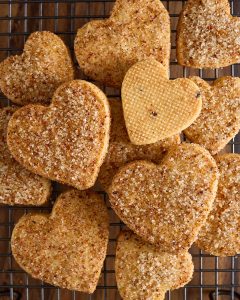
I know my pink peppercorn and grapefruit shortbread recipe reads like a very grown-up biscuit. But hand on heart, these passed the “Grandma, can I have another cookie?” test with my 3-year-old granddaughter, Nora. Whether you serve these at a fancy afternoon tea or as a sharp, buttery accompaniment to a dessert, if a toddler can handle the botanical complexity, your guests certainly can. This recipe pairs two ingredients that are practically biological siblings. Intuitively, you’d think pink peppercorns and grapefruit have nothing in common. But when it comes to the science of ingredients, they’re cut from the same cloth. Both grapefruit peel and pink peppercorns contain a high concentration of limonene—the compound that makes citrus smell fresh—and pinene, which produces that resinous, sophisticated scent of pine needles.
Equipment
- Digital kitchen scales
- Microplane
- Spice grinder (or personal blender / smoothie blender)
- Food dehydrator (optional)
- Stand mixer
- Paddle attachment
- Silicone baking mats (optional)
- Air mat (optional)
- 8mm rolling guides or 20cm x 8-10mm hobby wood strips (optional)
- 7.5cm heart-shaped cookie cutter
Ingredients
- 345 g unsalted butter (room temperature)
- 90 g granulated white sugar
- 75 g pure icing sugar
- 375 g all-purpose flour
- 120 g corn flour
- 1 ½ teaspoons table salt
- 2 tablespoons pink peppercorns
- 2-3 red grapefruits
- 200 g raw sugar (for the decorative sugar edge)
Instructions
Prepare the grapefruit:
- Using a microplane or fine grater, zest 1 grapefruit until you’ve measured out 2 packed teaspoons of zest, seal the zest in a container and refrigerate until required.
- Using a sharp vegetable peeler, remove the rind from the grapefruits in long strips, avoiding the white pith.
Prepare the citrus and peppery sugar crust:
- Dehydrate the peel in a food dehydrator or oven set at 65°C until completely dry (snaps when bent).
- Once cooled, grind the dried peel and the pink peppercorns separately in a spice grinder or personal blender until they form fine particles – do not take it as far as dust or powder – you want to see the particles. The peppercorns should look like coarsely ground pepper.
- In a sealable container, mix the 200g raw sugar with 4 teaspoons of the ground pink peppercorn and all of the ground grapefruit peel.
- Keep the citrus pepper sugar in a tightly sealed container on the bench until you’re ready to cut out the pink peppercorn and grapefruit shortbread; no need to refrigerate.
Make the shortbread dough:
- In the bowl of a stand mixer, weigh the 90g granulated sugar.
- Sift in the 75g pure icing sugar and add 2 packed teaspoons of fresh grapefruit zest.
- Using the paddle attachment, beat on medium speed for 3–4 minutes until the perfumed oils are released and the sugar is fragrant.
- Add the 345g room temperature unsalted butter and beat just until smooth and combined. Do not over-cream; you want a cohesive yellow paste, not a pale, airy cake batter.
- In a separate bowl, sift together the 375g flour, 120g cornflour, and 1 1/2 teaspoons salt.
- Add the dry ingredients to the mixer in 3 additions on low speed, mixing only until the dough is shaggy.
- Turn the dough out onto the bench and use a bench scraper to gather it, using a ‘cut and stack’ motion a few times until it forms a neat block.
- Press into a rectangle about 5cm thick, wrap tightly in plastic, and chill in the fridge overnight.
Roll, cut, and decorate:
- Preheat your oven to 165°C conventional or 155°C fan forced.
- Set up your silicone baking mats with 8mm rolling guides, if using. Otherwise, roll the dough between two layers of baking paper.
- Roll the chilled dough to an even 8mm thickness.
- Slide the rolled dough (still between the mats) onto a biscuit tray and freeze for 15 minutes until firm.
- Using a 7.5cm heart-shaped cookie cutter, cut out the biscuits, working quickly while the dough is cold. Dredge the cutter in a shallow bowl of all-purpose flour between each cut, tap off the excess flour.
- Use an offset spatula to transfer the hearts to a separate baking tray.
- Once the tray is filled, put the cut biscuits back into the freezer.
- Let the remaining dough sit for a few minutes so it’s pliable again, then gently press it back into a rectangle and continue the process of cutting out biscuits - repeat the roll, chill, cut sequence.
- Working in batches, gently stack 3–4 frozen biscuits together and roll the edges through the prepared citrus pepper sugar until fully coated. Wear plastic food preparation gloves to avoid marking the biscuit dough.
- Separate the decorated biscuits and place them onto a biscuit tray lined with an air mat or baking paper, leaving space for heat circulation.
- Freeze the cut biscuits for a final 15 minutes before baking.
Bake:
- Bake the frozen biscuits at 165°C conventional or 155°C fan forced for approximately 20 minutes, turning the tray 180° midway through.
- The biscuits should be a light golden colour to ensure the flour is fully cooked.
- Leave the biscuits on the tray until they are completely cool; they are incredibly fragile while warm.
Just before you cook with abandon…
Allergy warning: Pink peppercorns belong to the Anacardiaceae family, which includes cashews and pistachios. They contain similar proteins that can trigger an allergic reaction. If you are baking for someone with a tree nut allergy, omit the peppercorns entirely or swap them for a couple pinches of fresh ground black pepper.
Get organised: I’m an adherent to the French cooking principle of mise en place—everything in its place. Having your ingredients and equipment ready before you start isn’t just for professional kitchens; it’s how you keep home baking calm and consistent. Measuring and prepping everything on your digital kitchen scales before the first step really does put the “easy” into any recipe.
Use pure icing sugar: In Australia, “pure icing sugar” is the one you want. Don’t swap in soft icing mixture (the one with cornflour already added) because it changes the texture and can make the biscuit taste flat and powdery.
Don’t cream like a cake: This isn’t the creaming method where you’re building air. Mix the butter with the sugars just until combined, then stop. Overworking here leads to puffier biscuits and less of that tight, shortbread bite.
Why we rest and chill: A proper rest in the fridge is vital for a few reasons. Firstly, it allows for starch hydration—the flour is thirsty and needs time to absorb the moisture, resulting in a cohesive dough and a smooth mouthfeel. Secondly, it allows for gluten relaxation so your biscuits won't shrink or distort. Finally, it provides flavour development; as enzymes break down starches, the botanical notes of the pepper and citrus have time to fully permeate the fats, resulting in a more complex, balanced sweetness.
What are rolling guides: To get that professional, even look, I use 8mm rolling guides. These are essentially thin strips of acrylic or wood placed on either side of your dough to stop the rolling pin from going too low. You can make your own by visiting Bunnings and picking up two 20cm lengths of 8-10mm hobby wood strips. If you don't have them, just do your best to keep the dough level, but the guides are a game-changer for consistency.
Flexible shapes and bake times: This recipe is flexible—change the cutter shape or size if you like. The 20-minute bake is based on biscuits rolled to 8mm and cut at around 7.5cm. Smaller or thinner biscuits will bake faster. Watch the surface: you want a dry, matte finish with the faintest hint of colour at the edges.
Leftover juice: Since this recipe only uses the zest and the dehydrated peel, you’ll be left with several naked grapefruits. I developed this recipe intentionally to be served with my yoghurt coeur à la crème with grapefruit and strawberry compote. So if you try these trio recipes together, the naked grapefruit will not go to waste. Otherwise, just juice them immediately for a sharp, refreshing breakfast reward.
Can be frozen: The baked pink peppercorn and grapefruit shortbread biscuits freeze well. You can freeze the cut-out dough in an airtight container (layered with baking paper) for up to 2 months. You can also freeze the fully decorated biscuits, though be aware that the raw sugar edge can pick up moisture as it thaws, so keep them well-sealed.
Storage: Store these botanical shortbread in a tightly sealed container on the bench. Humidity is the enemy—it will turn that decorative sugar edge tacky—so don’t leave them sitting out on a platter for half a day “just to look pretty.” In Australia, they’ll stay fresh at room temperature for a day or two; for longer storage, keep them in the fridge for up to two weeks.