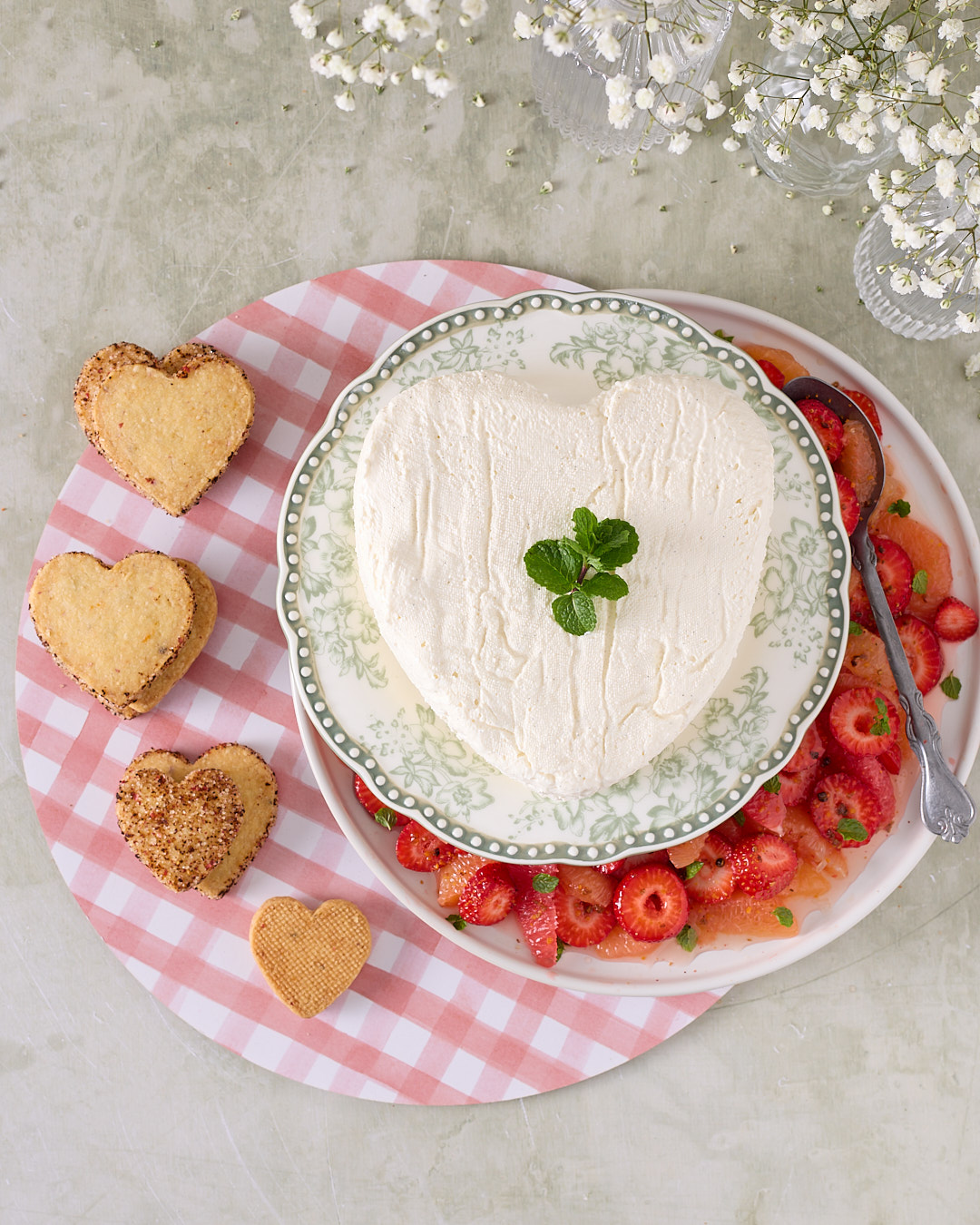
Coeur à la crème is a classic French dessert. Traditionally, it’s a mixture of cream cheese (or fromage blanc), heavy cream, and sugar, strained through a heart-shaped perforated mould. The translation ‘heart of cream’ literally describes this super easy no-bake dessert.
I’ve kept my set of individual ceramic heart moulds from the 1990s when these desserts made regular appearances at my pre-kids dinner parties. I later banished the moulds to the darkest recesses of my kitchen cupboards, as I faced my post-kids battle to keep my waistline!
While I’ve yet to win the waistline war, I decided to revisit my coeur à la crème recipe.
I’ve dialled the fat content back by using Greek yoghurt as the main ingredient, with some mascarpone playing the supporting role. But don’t mistake me—this easy make-ahead dessert does not work with low-fat yoghurt. You need to reach for the full-fat tub of authentic Greek yoghurt.
The grapefruit and strawberry compote keeps the dessert fresh, along with the citrusy pop of floral heat that comes with pink peppercorns. Pink peppercorns are a purposeful addition, as I’m hoping you’ll be inspired to bake some of my pink peppercorn grapefruit shortbread to serve with your yoghurt coeur à la crème.
Let me break it down for you.
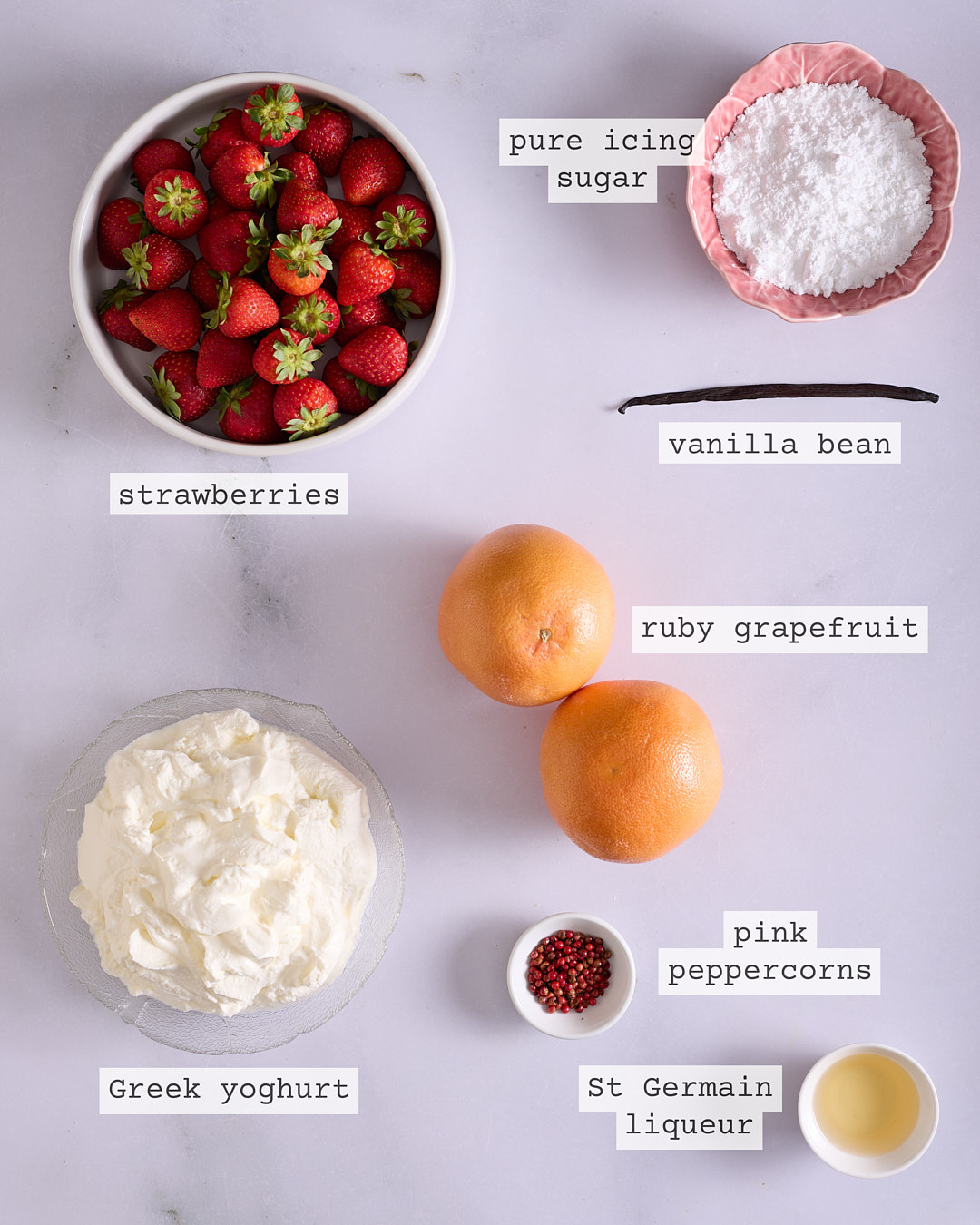
Yoghurt coeur à la crème with compote ingredients
Coeur à la crème:
- 1kg full fat Greek yoghurt
- 250g mascarpone cream
- 65g pure icing sugar
- 1 vanilla bean
Grapefruit and strawberry compote:
- 2 large ruby grapefruit
- 500g fresh strawberries
- 2 tablespoons pure icing sugar
- 2 tablespoons St Germain liqueur (optional)
- 1 ½ teaspoons ground pink peppercorns
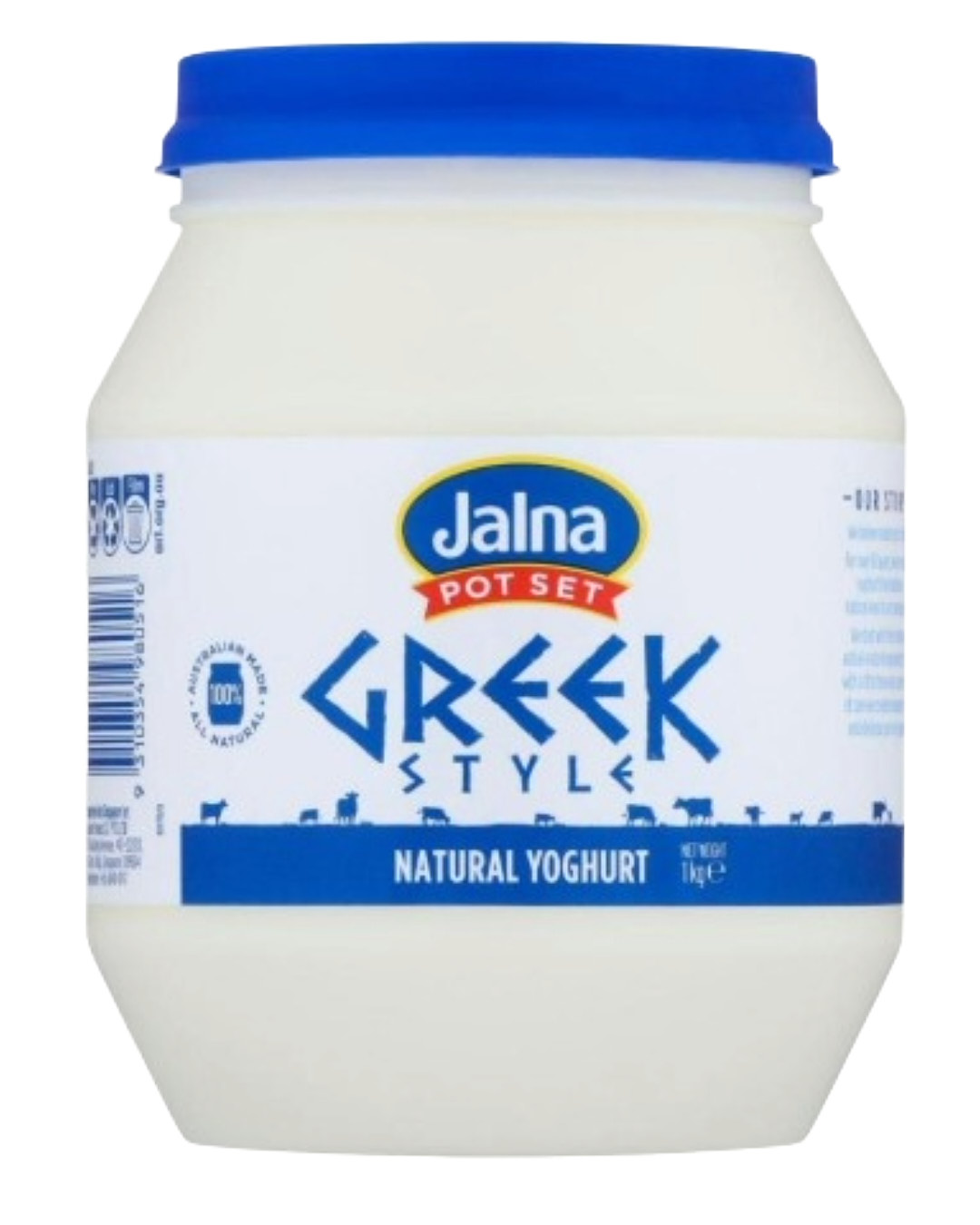
Full-fat Greek yoghurt is mandatory for this coeur à la crème recipe. Jalna Greek-style natural yoghurt is my go-to for just about all my cooking and baking needs. At 9.5% fat content, it’s a reliable choice. While there are brands with a slightly higher fat content, I find that Jalna’s pot-set yoghurt provides the most consistent results.
I prefer using a whole vanilla bean here. You can swap it for 2 teaspoons of vanilla paste or essence, but remember that some of the charm of this dessert is seeing those tiny black seeds through the yoghurt cream.
The St Germain liqueur in the compote is optional. It’s an elderflower liqueur, so swapping in an elderflower cordial is fine, as is any citrusy liqueur you have on hand. If your pantry is bare of both, don’t worry—the strawberries and ruby grapefruit segments are perfectly capable of going it alone.
A serious note regarding tree nut allergies: pink peppercorns belong to the Anacardiaceae family, which includes cashews and pistachios. They contain similar proteins that can trigger an allergic reaction in sensitive individuals. If you are baking for someone with a known nut allergy, omit the peppercorns from this recipe.
Get organised
I’m an adherent to the French cooking principle of mise en place—everything in its place. Having your ingredients and equipment ready before you start isn’t just for professional kitchens; it’s how you keep home baking calm and consistent.
Measuring, prepping and setting everything out before the first step really does put the “easy” into any recipe.
My yoghurt coeur à la crème is an easy make-ahead dessert—I promise!
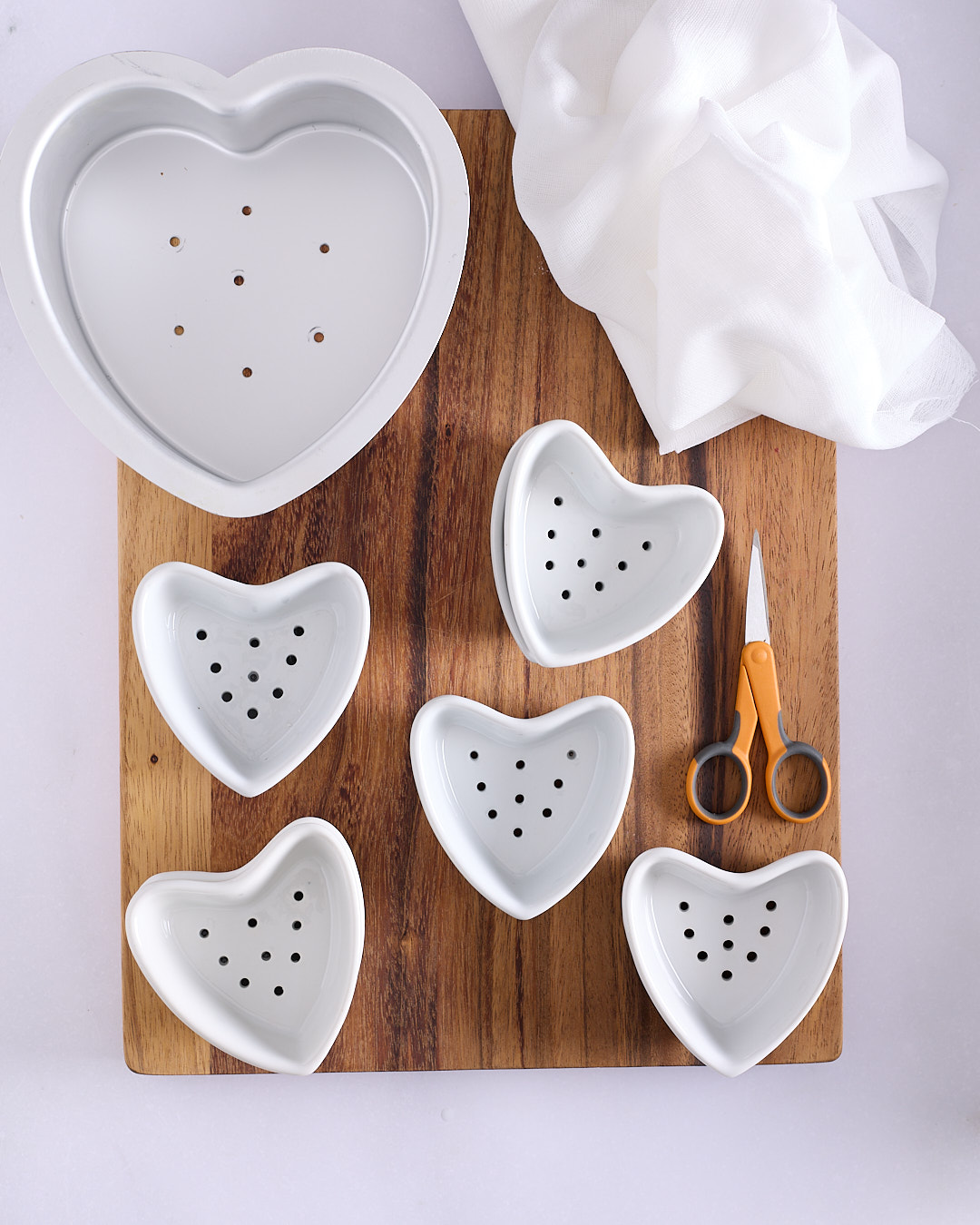
The only specialised equipment you really need to make this Greek yoghurt dessert is a package of cheesecloth. Everything else is just about how you choose to present it.
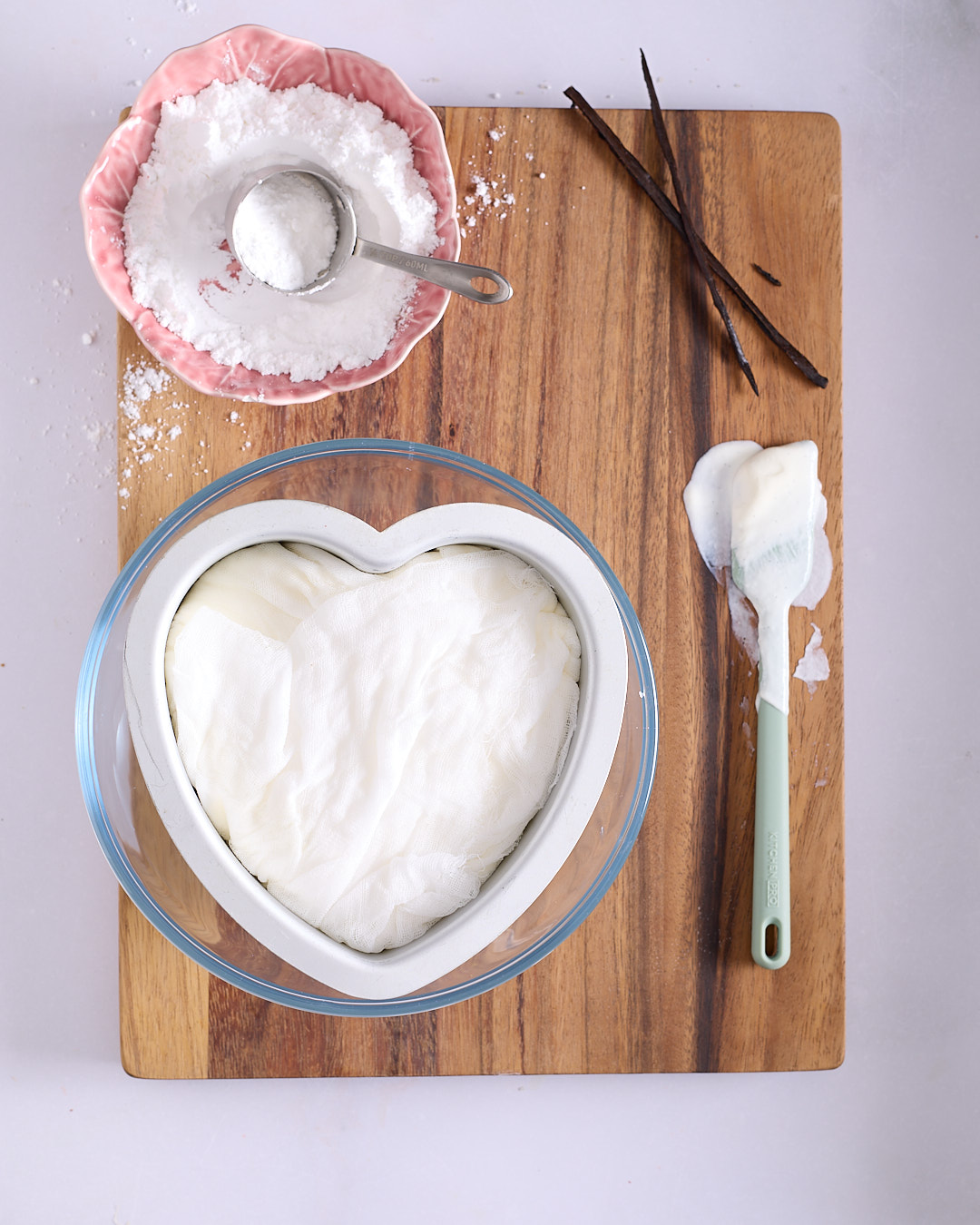
The small coeur à la crème dishes are available online and, as I am a hoarder, I still have my original set of eight porcelain moulds. But I decided to showcase this recipe using one large heart-shaped mould. This involved a bit of DIY, using a 15 cm x 7.5 cm (6″ x 3″) heart shaped Mondo cake pan and my son’s electric drill to create the drainage holes. I’m pretty sure that with a baking paper liner, the pan will have no trouble reverting to its original purpose of creating heart-shaped cakes.
No heart-shaped cake pan? Don’t worry. A large sieve or strainer will work just as well.
Assembling the yoghurt coeur à la crème
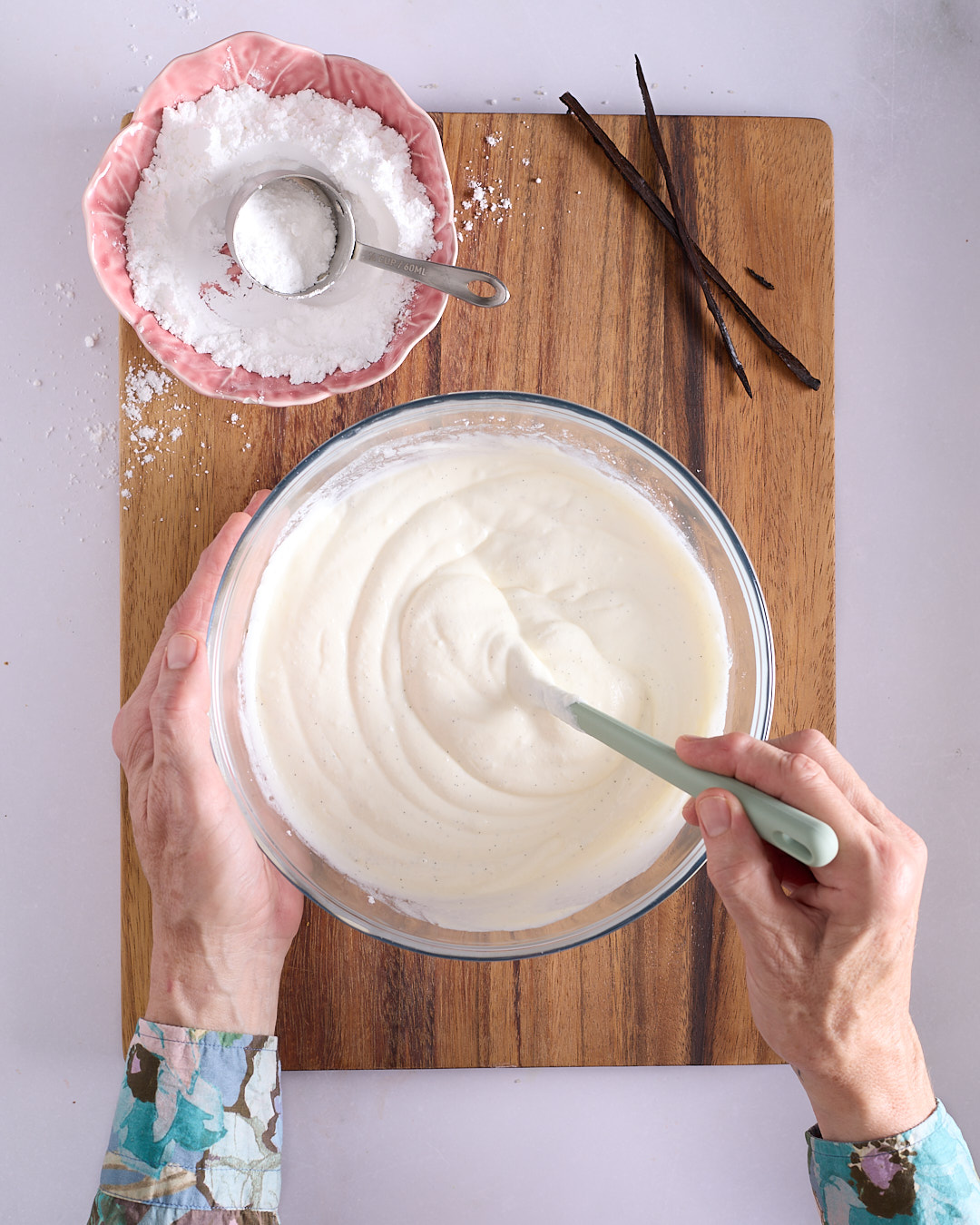
The hardest part of this coeur à la crème recipe is deciding whether to mix it by hand with a whisk or spatula, or use a stick blender or handheld electric mixer. I usually reach for a spatula, but if you do use a mixer, just remember you aren’t trying to whip the ingredients—you’re simply combining them.
Start with 250g mascarpone cream in a large bowl and gradually stir in 1kg full-fat Greek yoghurt until smooth. Sift 65g pure icing sugar over the yoghurt mixture before stirring it in. Finally, split the vanilla bean in half lengthwise and scrape out the seeds with the back of a small knife. Add them to the bowl and stir until thoroughly combined.
I use a whole packet of cheesecloth (usually 2.5m²) for my 15 cm x 7.5 cm (6″ x 3″) heart shaped Mondo cake pan. I cut the cloth to size and create three layers. For individual sized moulds, you’ll still need three squares for each. Experiment with folding the cloth to get it into three layers that you can press to the bottom of the mould, making sure you have enough overhanging the sides to fold over the top once the mould is filled. Do this with your individual sized moulds before committing to cutting up the cheesecloth.
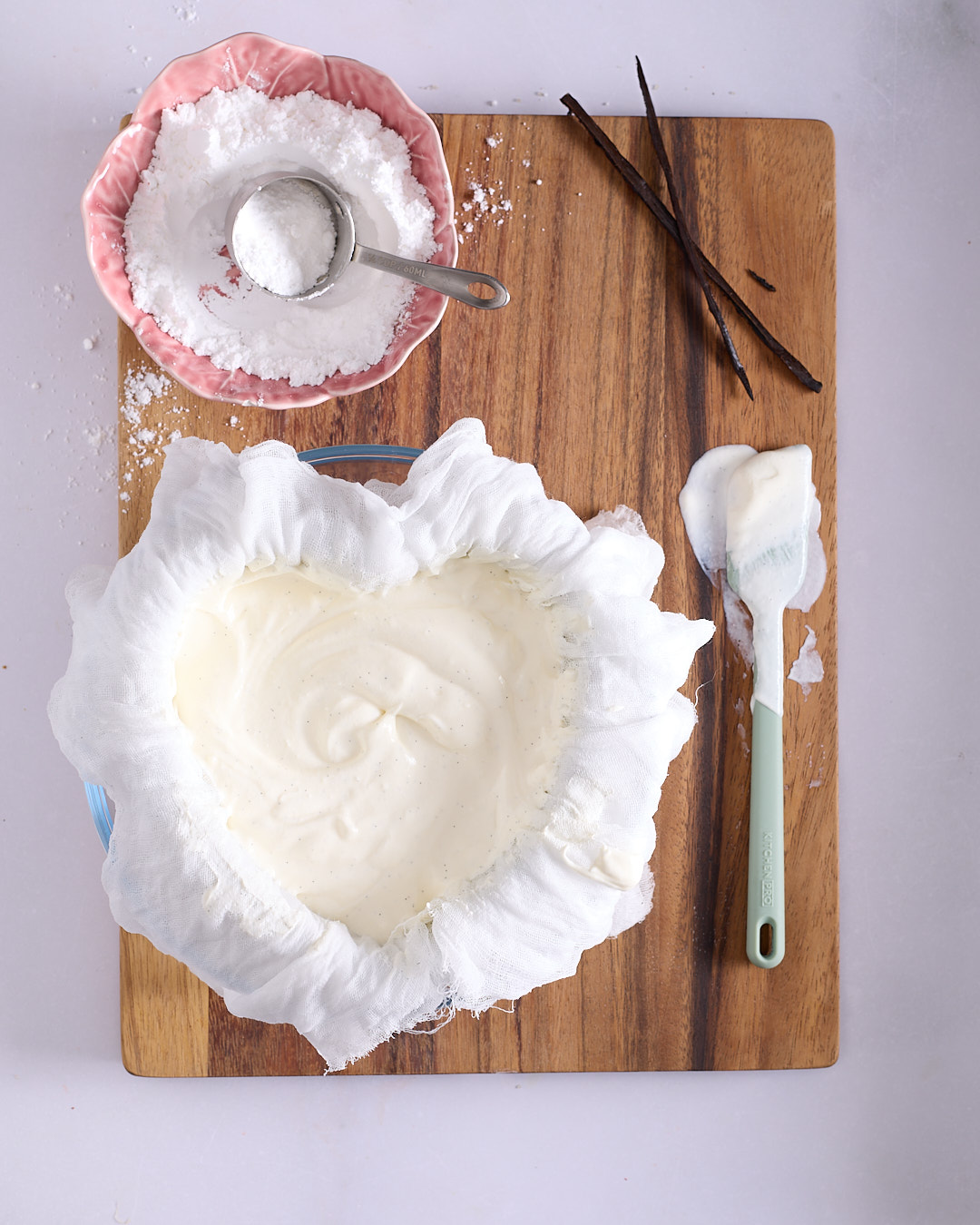
Next, rinse the folded cheesecloth well in cold water and wring out all the excess. Reshape the cloth, stretching it out as you go. Press it into the bottom of the mould, making it fit snugly across the bottom and up the sides. Leave the excess cheesecloth draping over the edges.
Spoon the coeur à la crème mixture into the mould, tapping it on the bench several times as you go to prevent air bubbles. It’s fine if the mixture goes slightly above the rim. Fold the excess cheesecloth across the top of the mould, encasing the yoghurt mixture.
To allow the mixture to drain, I suspend my heart-shaped mould in a bowl where there is room for the liquid to collect. You could also sit the mould on a cooling rack over a roasting pan. I cover the top of the mould with a snug-fitting flat plate and weigh it down with a tin of beans. Place the plate top-side down to avoid creating ridges in the coeur à la crème as it drains. Refrigerate overnight.
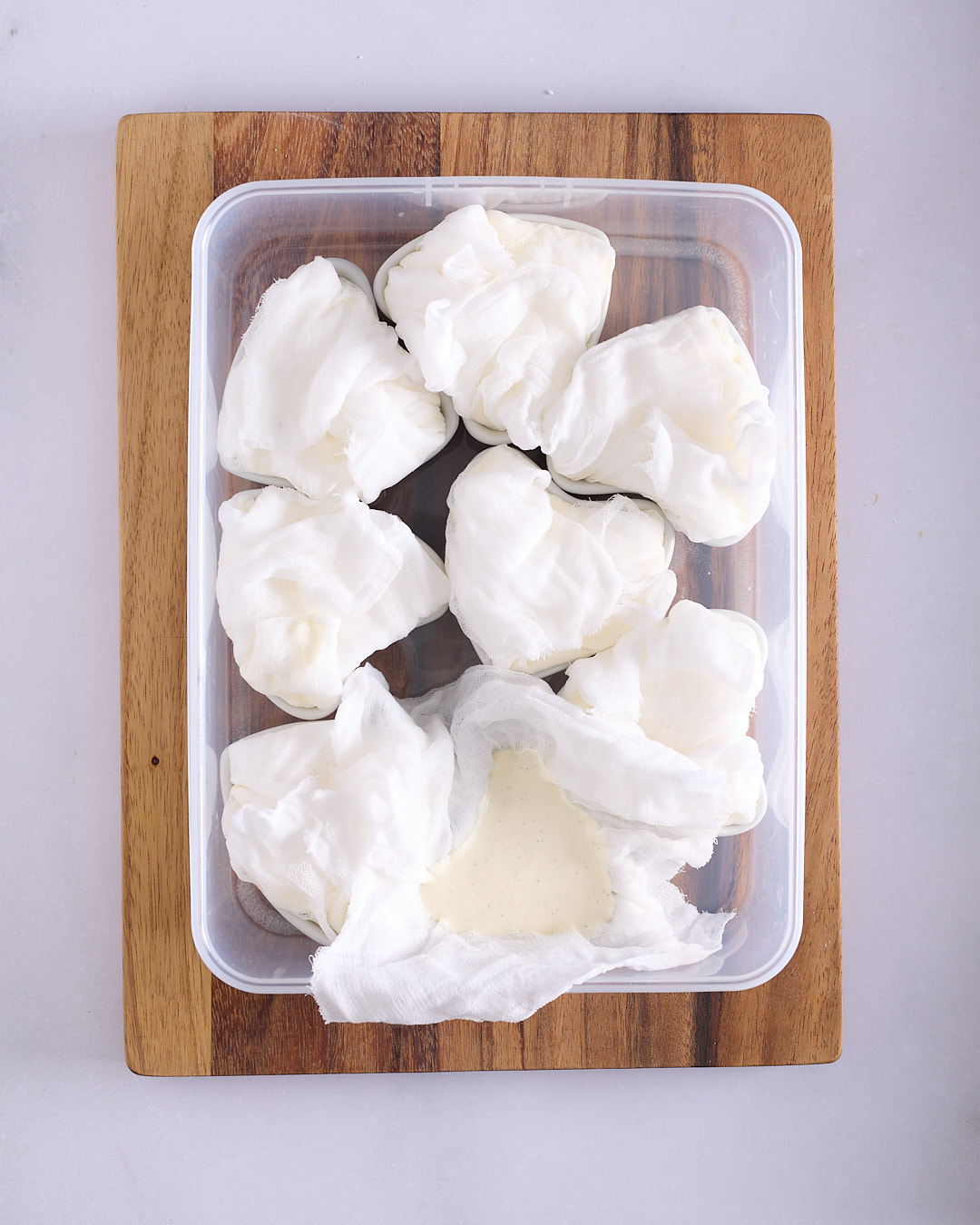
If using the individual coeur à la crème moulds, they have built in ‘feet’ to keep the moulds about the whey that drains. I fit them into a container and place the bottom of a rectangular tart pan over the filled moulds and weigh it down with a tin of beans.
Preparing grapefruit and strawberry compote
A grapefruit and strawberry compote is the perfect acidic counterpoint to the yoghurt coeur à la crème. As I have already mentioned, the addition of the pink peppercorns was purposeful; I’m hoping you’ll be inspired to bake some of my pink peppercorn grapefruit shortbread to serve alongside. When you prepare the two recipes together, you can utilise the zest from these grapefruits in the shortbread recipe.
If making the shortbread, remember to zest the grapefruits before peeling them. I cut off both ends of the grapefruit and then use a paring knife to carve off the peel and pith. To remove the grapefruit segments, run the blade of the knife down the membrane separating the segments towards the centre. I carefully hold the grapefruit while doing this. Once you reach the centre, wiggle the knife under the tip of the segment and twist to release it, peeling it up and out of the membrane.
You are creating citrus supremes—the chef’s term for removing citrus segments from their membranes. Try to catch as much juice as you can by doing this over a bowl, and reserve that liquid.
For this compote, it is fine to make the grapefruit supremes a few hours ahead. However, the strawberries will soften quickly once cut and sugared, so I recommend finishing the compote just a few hours before you plan to serve.
Wash and hull 500g of fresh strawberries. Halve, quarter, or slice them depending on their size and your preference.
Grind or crush 1 tablespoon of pink peppercorns, you need 1 rounded teaspoon of ground peppercorns for the compote.
In a medium bowl, combine the grapefruit supremes, prepared strawberries, and ground pink peppercorns. Add 2 tablespoons of St Germain or elderflower cordial, if using either option. Add 2 tablespoons of pure icing sugar and a couple of tablespoons of the reserved grapefruit juice.
Cover and refrigerate until required.
Serving up
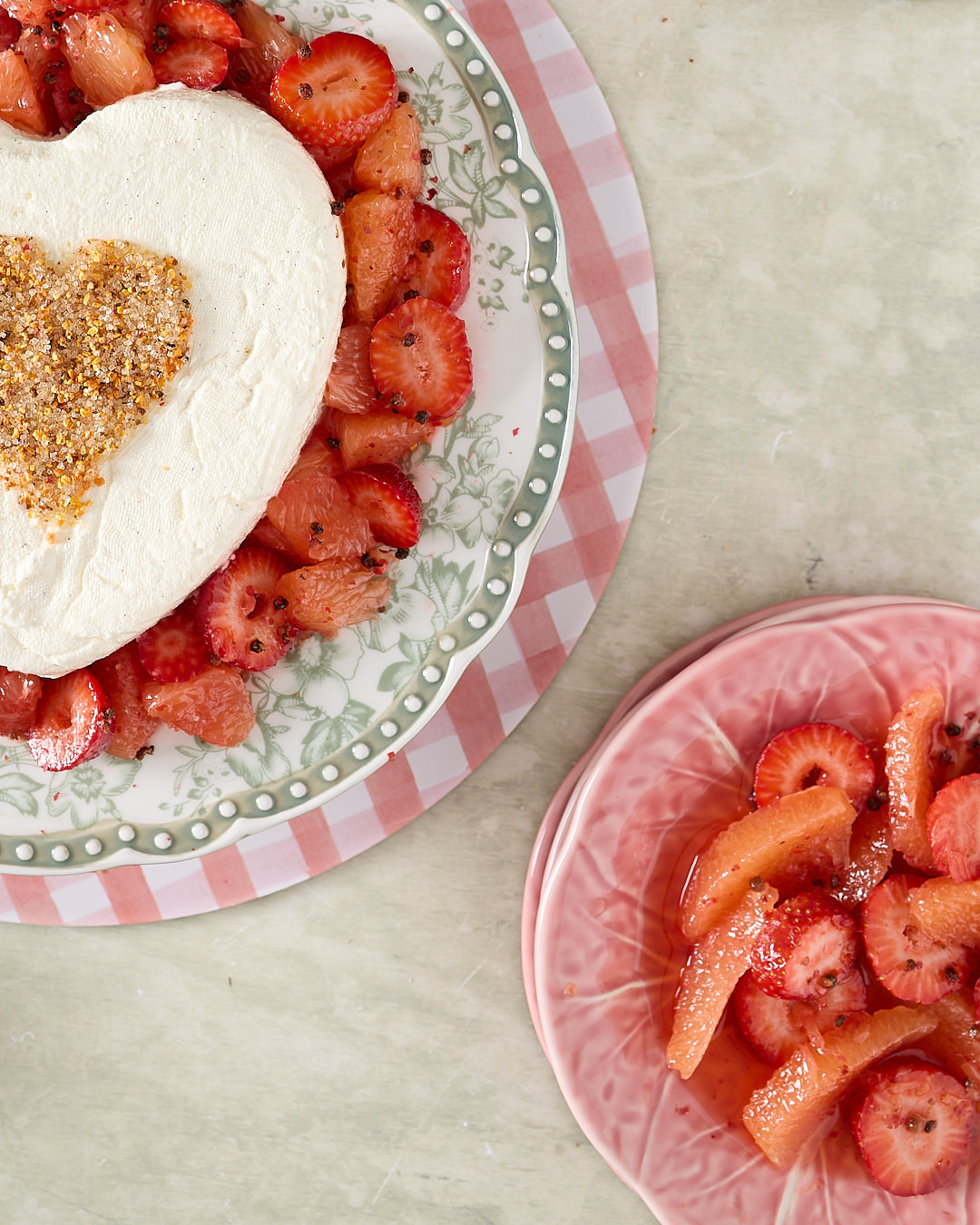
To serve, carefully unmould the heart onto a platter and spoon that syrupy compote around the base.
If you’ve baked the shortbread, use a heart-shaped stencil to dust a matching heart of citrus pepper sugar from that recipe onto the centre of the yoghurt.
This easy make ahead dessert is exactly the kind of high-impact, low-effort magic I live for. It looks like you’ve spent the afternoon in a professional pastry kitchen when really you’ve just been patient with a bit of cheesecloth. It’s sharp, it’s creamy, and it’s almost enough to make me stop worrying about the waistline. Almost.
Yoghurt Coeur à la Crème with Grapefruit and Strawberry Compote

Equipment
- Digital kitchen scales
- 2.5m2 Cheesecloth
- 8 coeur à la crème dishes or one 15cm container (can use large sieve or strainer)
- Stick blender or handheld electric mixer (optional)
Ingredients
Coeur à la crème:
- 1 kg full fat Greek yoghurt
- 250 g mascarpone cream
- 65 g pure icing sugar
- 1 vanilla bean
Grapefruit and strawberry compote:
- 2 large ruby grapefruit
- 500 g fresh strawberries
- 2 tablespoons pure icing sugar
- 2 tablespoons St Germain liqueur (optional)
- 1 ½ teaspoons ground pink peppercorns
Instructions
Prepare the yoghurt cream:
- In a large bowl, combine 250g mascarpone cream with 1kg full-fat Greek yoghurt, adding the yoghurt gradually while stirring until the mixture is smooth.
- Sift 65g pure icing sugar over the mixture and stir it in.
- Split the vanilla bean in half lengthwise and scrape the seeds into the bowl.
- Mix thoroughly until the vanilla seeds are evenly distributed.
Line the moulds:
- Cut your cheesecloth to size to create three layers for your chosen mould, either a 15 cm x 7.5 cm (6" x 3") single mould or eight individual moulds. The rectangles need to be large enough to line the mould and have enough cheesecloth to hang over the edges for folding over the top of filled pan.
- Rinse the folded cloth in cold water and wring out all the excess water.
- Reshape and stretch the cloth as you press it into the bottom and sides of your mould.
- Ensure it fits snugly and leave the excess cloth overhanging the edges.
Fill and drain:
- Spoon the yoghurt mixture into the prepared mould, tapping it firmly on the bench as you go to prevent air bubbles.
- Fold the overhanging cheesecloth across the top to completely encase the mixture.
- Suspend the mould in a bowl or sit it on a cooling rack set over a roasting pan. Ensure there is room for the liquid to collect without the mould sitting in the whey.
- Cover the top with a flat plate (placed top-side down) and weigh it down with a heavy object like a tin of beans.
- Refrigerate for at least 12 hours, or overnight.
Make the compote:
- Zest the ruby grapefruits before peeling if you are making the companion shortbread recipe.
- Cut off both ends of the grapefruits and use a paring knife to carve off the peel and pith.
- To supreme the grapefruit, run the blade of the knife down the membrane separating the segments towards the centre. Release the segments into a bowl to catch the juice. Reserve the juice and discard the seeds.
- Wash and hull 500g of fresh strawberries, then halve, quarter, or slice them.
- Grind or crush 1 tablespoon of pink peppercorns to yield 1 rounded teaspoon.
- In a medium bowl, combine the grapefruit segments, strawberries, and ground pink peppercorns.
- Add 2 tablespoons of St Germain or elderflower cordial, if using.
- Add 2 tablespoons of pure icing sugar and the 2 tablespoons of reserved grapefruit juice.
- Cover and refrigerate until required.
To serve:
- Carefully unmould the heart onto a platter and peel away the cheesecloth.
- Spoon the grapefruit and strawberry compote around the base of the yoghurt coeur à la crème.